

Key Questions to Help You Decide
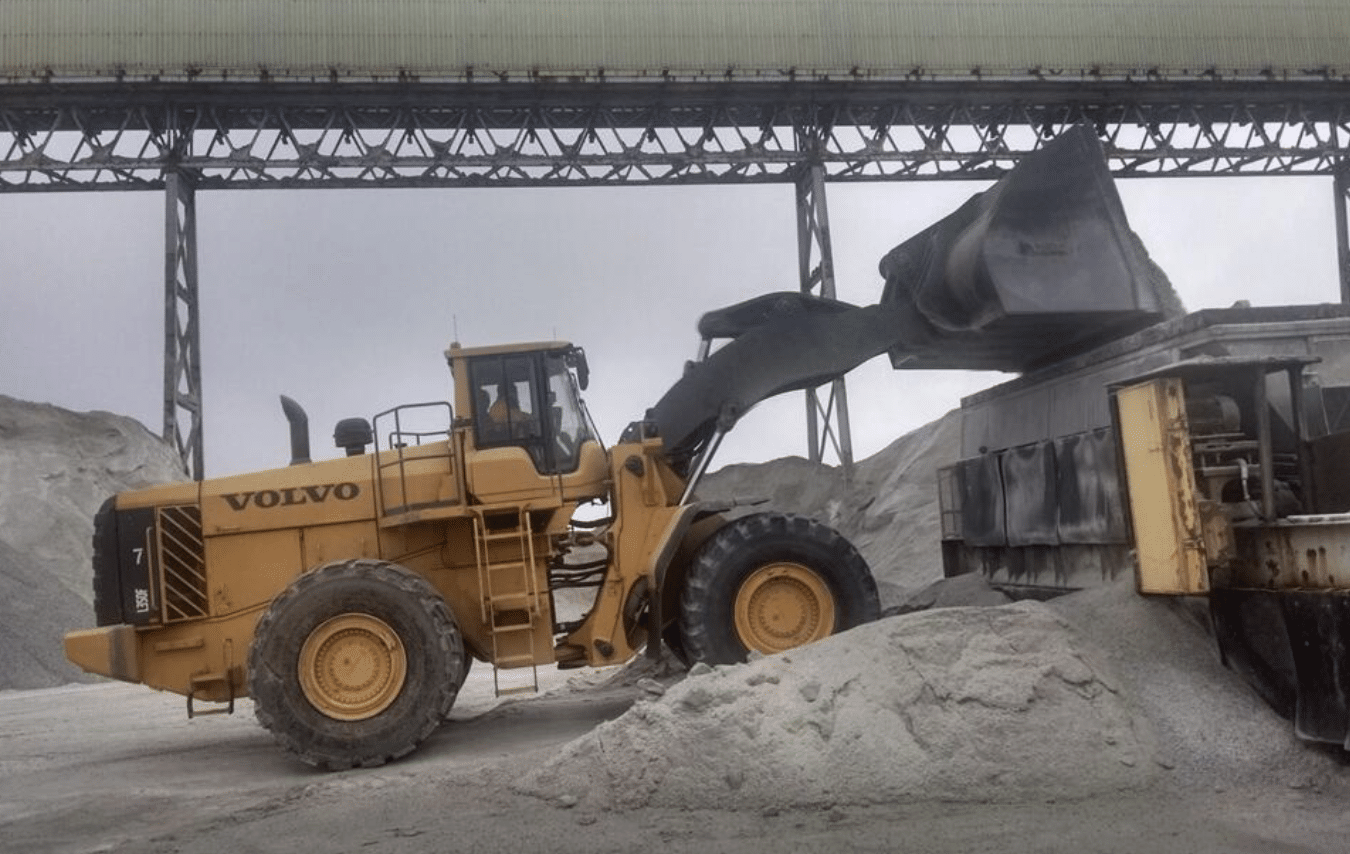
When construction equipment starts approaching the end of its first life, many owners face the same question: Is it better to rebuild the machine you have or replace it with something new?
At Nuss Truck & Equipment, we regularly have these conversations with contractors. In many cases, the decision isn’t simple. Capital budgets, operator preferences, comfort with new technology, and the machine’s role in the fleet all factor in. While purchasing new equipment has clear advantages, it isn’t always the right answer.
Along with options like leasing, renting, or purchasing used equipment, rebuilding can be a smart and cost-effective alternative—especially for larger machines that are still structurally sound.
Below are answers to some of the most common questions we hear when customers are evaluating a rebuild.
When Is the Right Time to Rebuild Heavy Equipment?
The best time to rebuild depends on how you expect to use the asset going forward.
Some owners choose an earlier-hour rebuild to maximize total machine life, while others wait until repair costs begin to rise and then compare rebuild costs to replacement value. Many machines are rebuilt in the 12,000–15,000 hour range, though this varies based on application, operating conditions, and maintenance history.
For example, wheel loaders working in extraction or load-and-carry applications typically experience higher drivetrain and front-end wear than machines used in lighter-duty environments. Machines that are well maintained—and monitored through oil sampling, fuel consumption data, and telematics—often provide clearer indicators of when a rebuild makes sense.
Is There a “Sweet Spot” for Rebuilding?
There isn’t a universal hour number, but maintenance history matters. Machines that have been serviced consistently tend to be better rebuild candidates. The goal is to act before parts consumption and downtime begin to escalate, which can drive up costs quickly.
If you operate Volvo equipment, your Nuss Customer Support Representative can help evaluate machine health and determine whether a rebuild window is approaching.
How Do I Know If a Rebuild Is the Right Choice for My Machine?
Several factors should be considered:
-
Future role of the machine:
Will it return to full-time production, or move into a backup or utility role? This often influences how much investment makes sense. -
Machine fit:
Is the machine still the right size and configuration for the work you’re doing? If new jobs require different capabilities, replacement may be the better option. -
Operator productivity:
If operators are productive and comfortable with the machine, a rebuild can preserve that familiarity while restoring reliability. -
Technology and emissions:
If you’re hesitant to transition to newer technologies or emissions systems right away, a rebuild can provide more time. -
Replacement value:
Larger machines often make more economic sense to rebuild. For example, rebuilding a large wheel loader may cost 50–60% of replacement value, whereas smaller machines can approach 70–80%, making replacement more attractive. -
Downtime planning:
Rebuilds require scheduled downtime. In Volvo Certified Rebuild programs, turnaround is typically targeted at up to eight weeks, depending on scope.
Is a Heavy Equipment Rebuild Worth It?
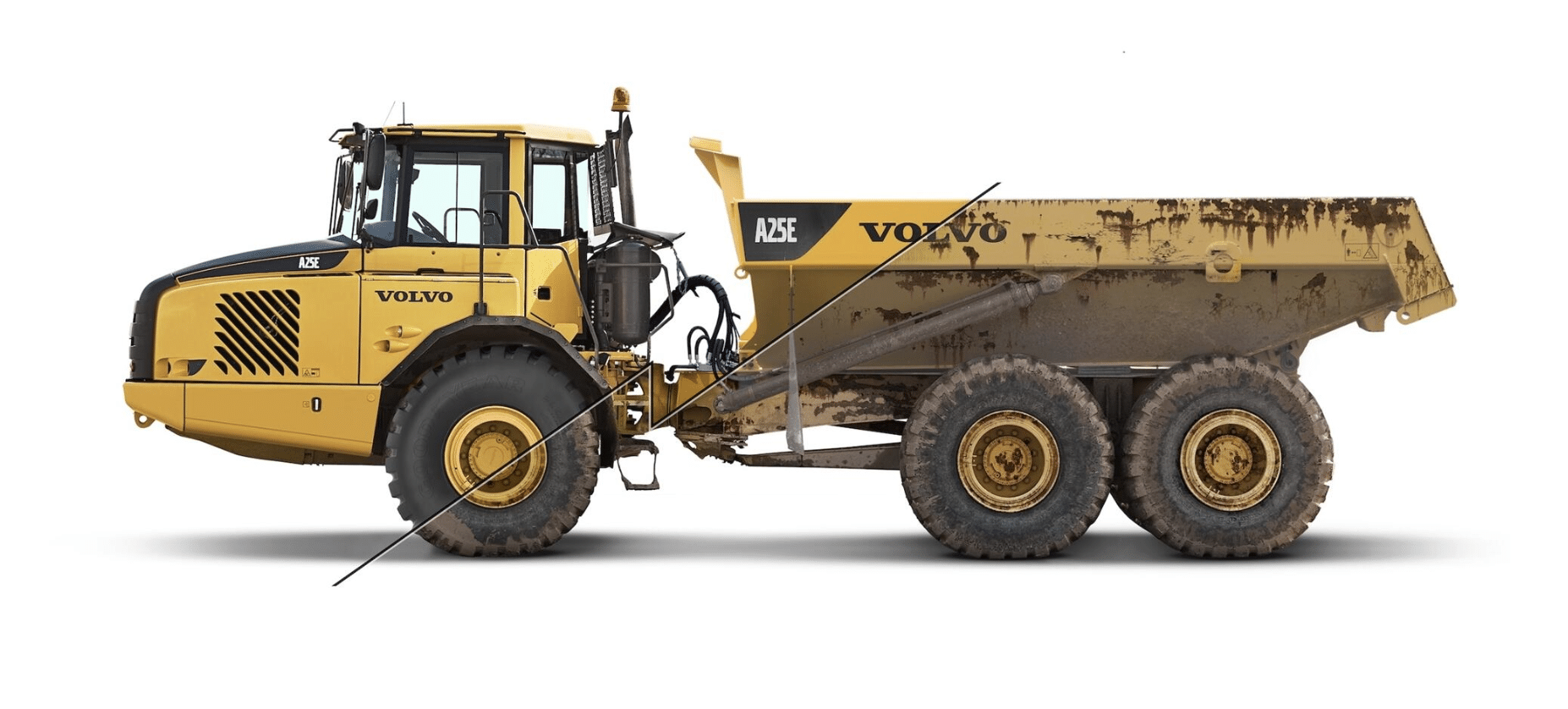
A rebuild can be worth it if it allows you to extend machine life at a lower cost than replacement.
For example, investing roughly half the replacement cost to gain another 8,000–10,000 productive hours may provide a better return than purchasing new equipment that will still require major repairs later in its lifecycle.
The key is evaluating the second life of the machine before costs begin to climb sharply.
What Is a Volvo Certified Rebuild?
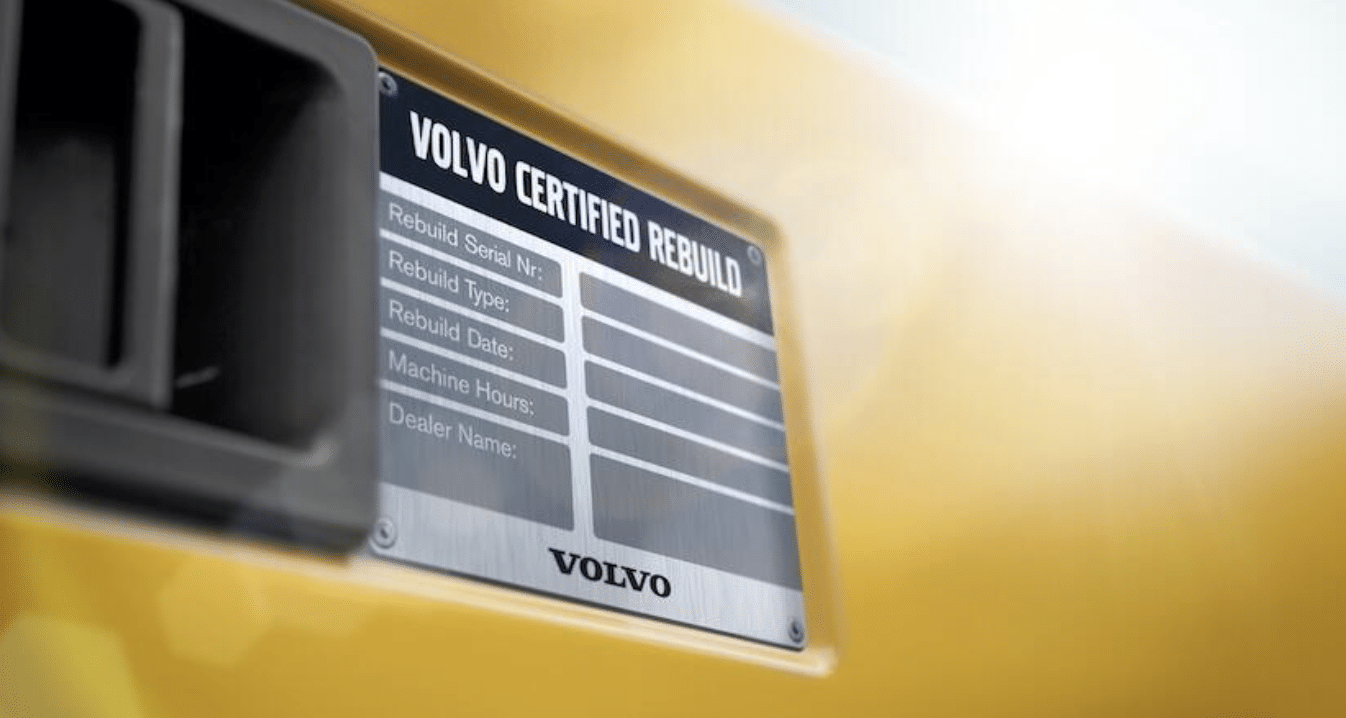
The Volvo Certified Rebuild Program, offered through authorized dealers like Nuss Truck & Equipment, applies to select wheel loaders and articulated haulers.
At a minimum, the rebuild focuses on the powertrain, with additional components addressed based on inspection results and customer needs. Options may include:
-
Powertrain rebuild
-
Hydraulic and hose replacement
-
Cab refurbishment
-
Axle and drivetrain components
Rebuilds use Volvo remanufactured components where available and follow detailed inspection and repair checklists. Certified rebuilds include a 3-year / 5,000-hour warranty on major remanufactured components.
What Benefits Can I Expect After a Rebuild?
A certified rebuild restores machine performance to like-new operating standards. Benefits often include:
-
Improved reliability
-
Better fuel efficiency
-
Reduced downtime
-
Extended machine life
-
Lower total cost of ownership compared to replacement
Do I Need to Be Near a Certified Dealer?
Volvo Certified Rebuilds are available through certified dealers across the U.S. and Canada. Even if your local branch doesn’t perform rebuilds on-site, certified facilities are typically within reasonable proximity.
Real-World Example: Rebuild vs. Replace
One example is a large wheel loader operating in a high-demand material handling application. Rather than replacing the machine at approximately 17,000 hours, the owner chose to rebuild it at roughly half the cost of new. With upgraded components and refurbishment, the machine is expected to deliver another full lifecycle, maximizing the value of the original investment.
Rebuild or Replace? Let’s Talk
If you’re evaluating whether a rebuild makes sense for an aging machine, the team at Nuss Truck & Equipment can help you compare rebuild options, replacement costs, and downtime considerations.
A rebuild may allow you to control costs, extend equipment life, and keep trusted machines working longer—without sacrificing performance.
📞 Contact your Nuss Volvo Construction Equipment representative to discuss rebuild options and next steps.